
Equipment
Guides
Never operate equipment during demolition! The room should be clear of debris. The only exception is the Air Filtration Device.
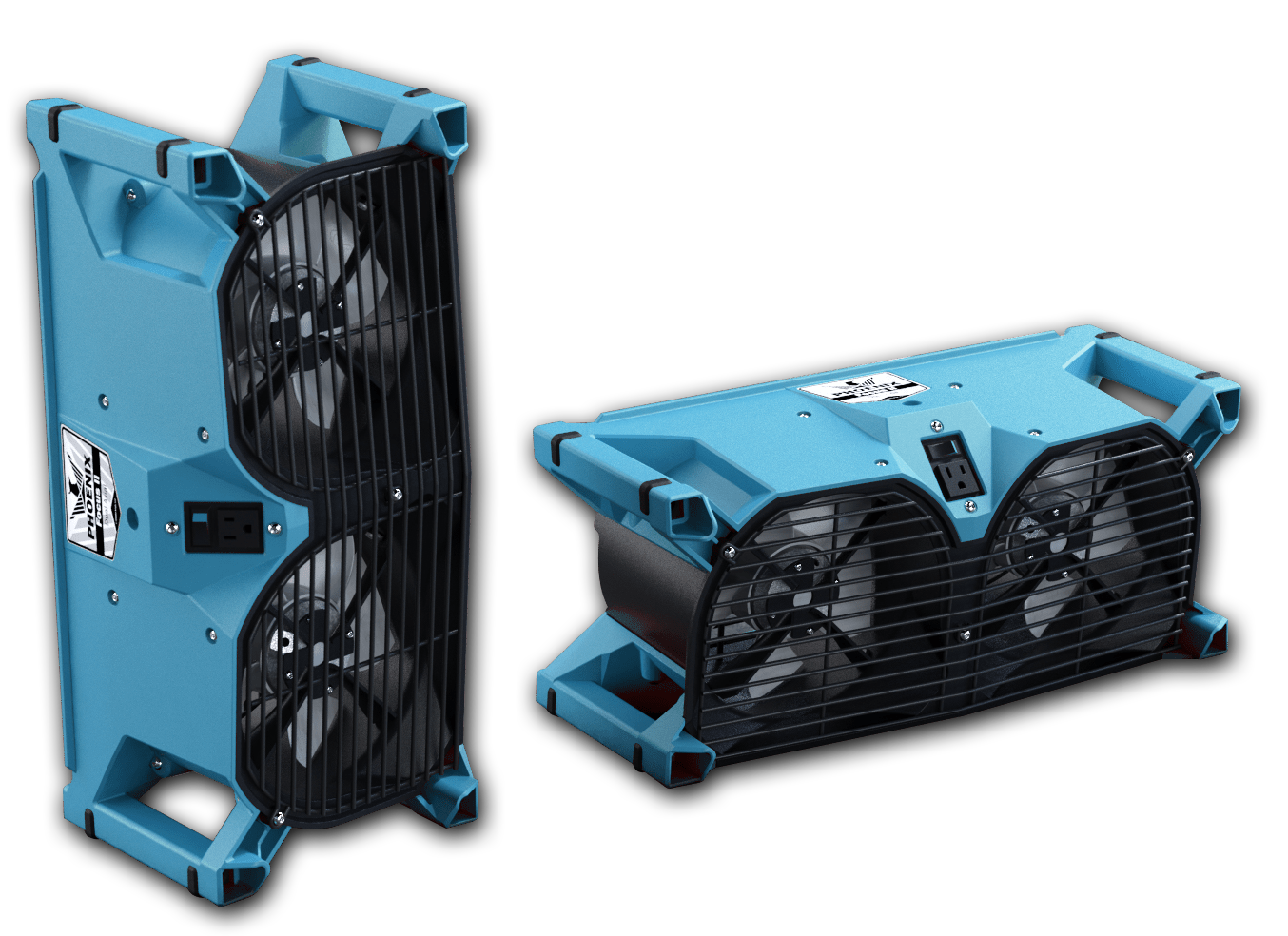
Air Movers / Fans
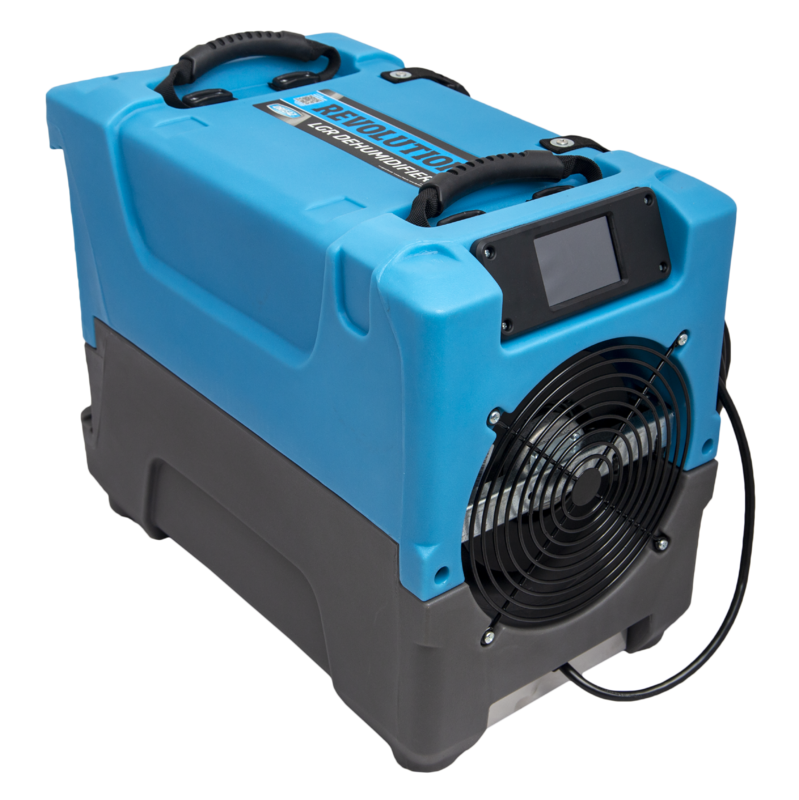
LGR Dehumidifier
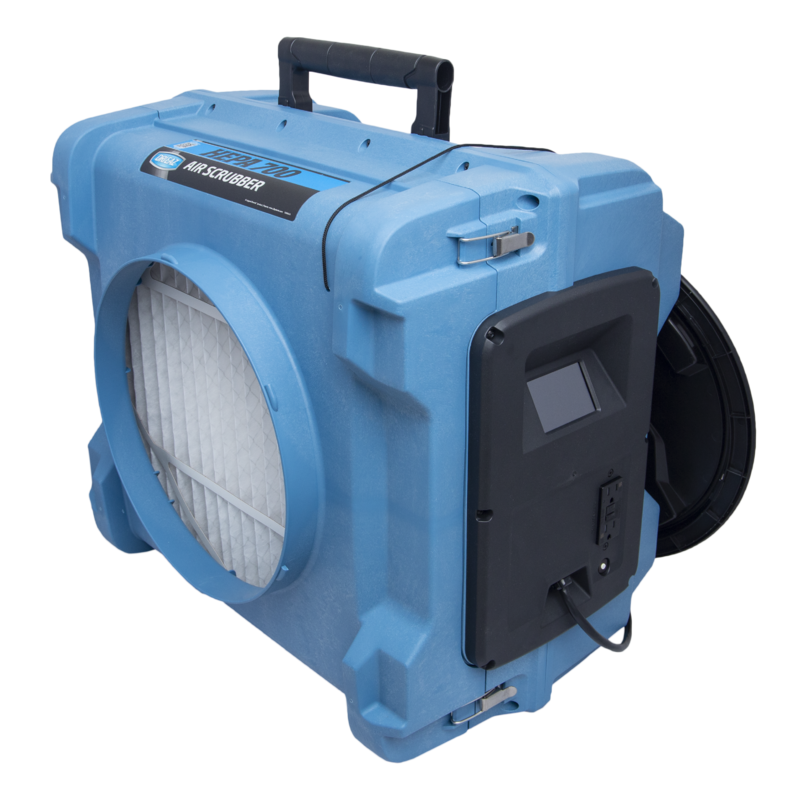
Air Filtration Device
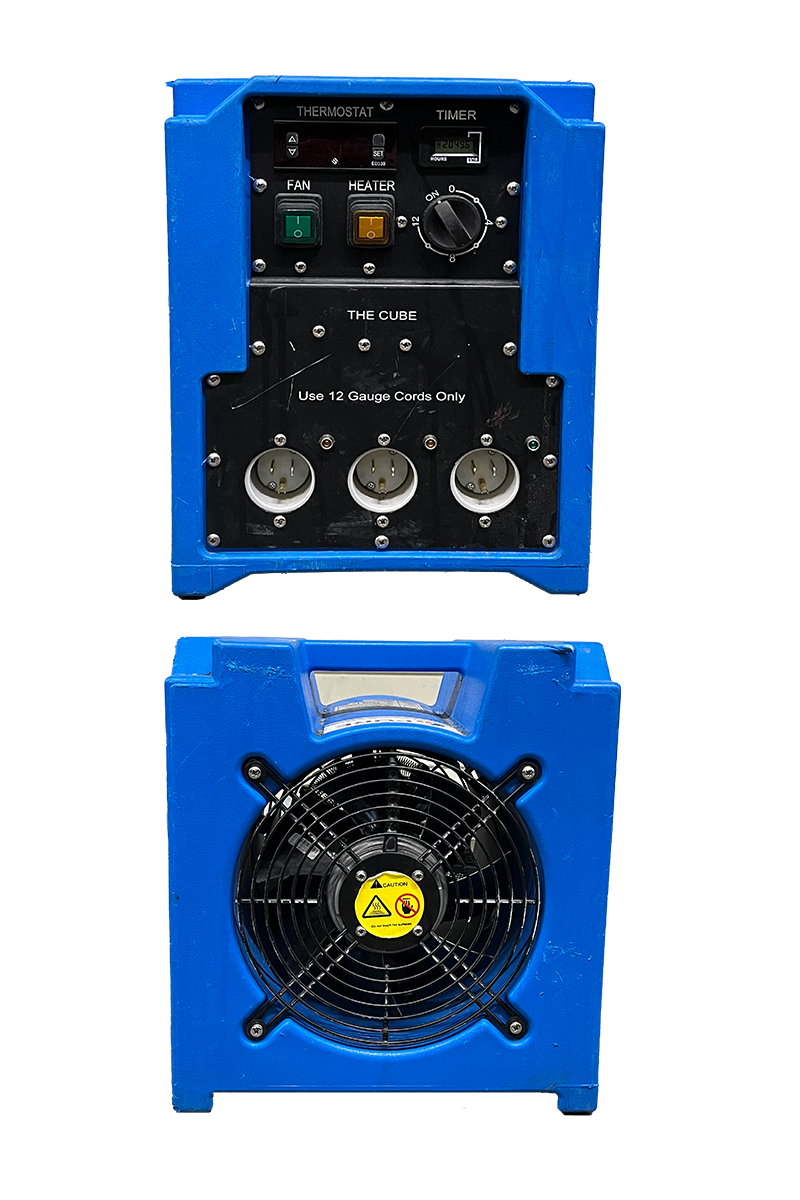
Heater
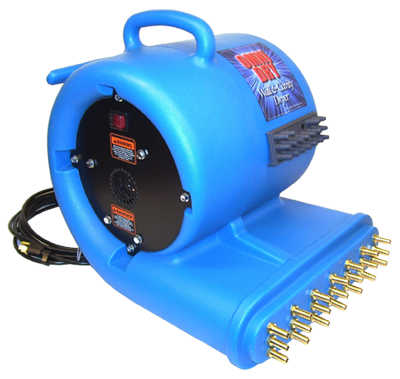
Wall & Cavity Dryer
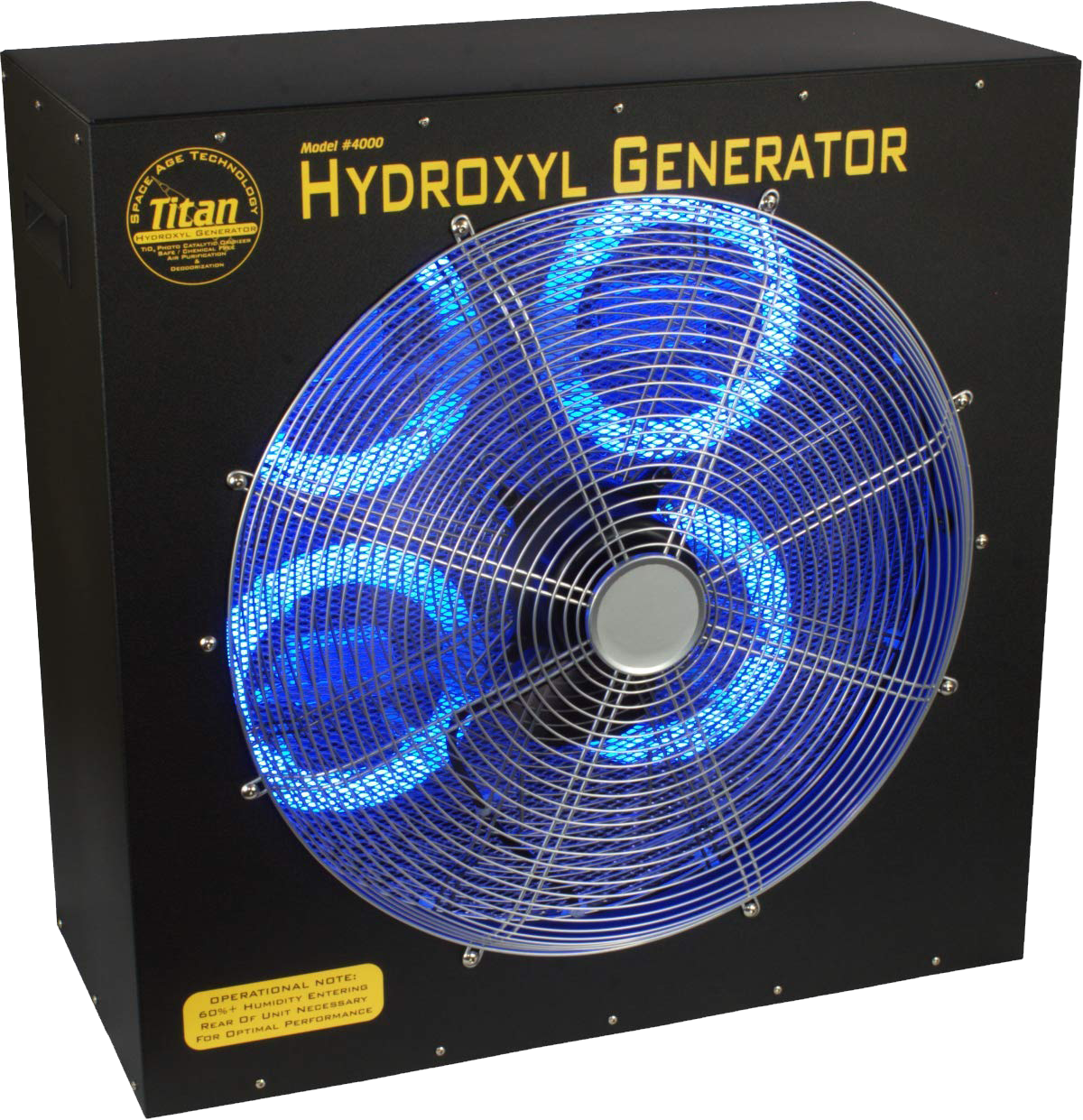
Hydroxyl Generator

Moisture Meter
1. Wet Carpet Removal & Cleanup
Wet carpets and carpet padding should be removed immediately.
Moisture that gets trapped under the carpet padding will not dry.
Carpets and carpet pads are full of bacteria and debris that can become moldy faster than most materials.
Renting Air Filtration Devices is highly recommended for carpet removal.
2. Flood Cuts & Insulation Removal
In severe water losses, removing affected drywall and insulation may be required.
Damaged drywall cannot be repaired.
Wet insulation is no longer effective.
Saturated drywall or insulation will get moldy.
3. Setting Drying Equipment
There are best practices for how to position your water damage equipment.
Proper airflow is key to faster drying.
Using more equipment will speed up the process.
For best results, implement a combination of fans, dehumidifiers, and air filtration devices.
4. Check Moisture Levels
Checking moisture levels is crucial to staying on track with drying materials and avoiding secondary damages.
Establishing a dry goal
Daily moisture checking
Modifying equipment as needed
FAQ
You can find additional FAQ’s for each piece of equipment on their corresponding web page!
-
It depends entirely on the level of saturation, type of materials affected, and additional factors. Some drying projects take as little as 3 days, but its common to see longer drying times as well.
-
It depends on the job. Watch our individual equipment videos to learn more. You can also use our Scope of Work add-on service to help you determine your needs.
-
The IICRC S500 is considered the global standard for water damage mitigation. Regulations vary from state-to-state.
-
Exercise extreme caution. Ensure fans are plugged into grounded outlets and use extension cords rated for wet conditions if necessary. If there's standing water, it's best to turn off the electricity to the affected area if safe to do so. Next, remove any standing water before setting equipment. Consult with an expert to disable power if needed.