Customers can rely on YouDri 24/7/365 for immediate water damage equipment rental.
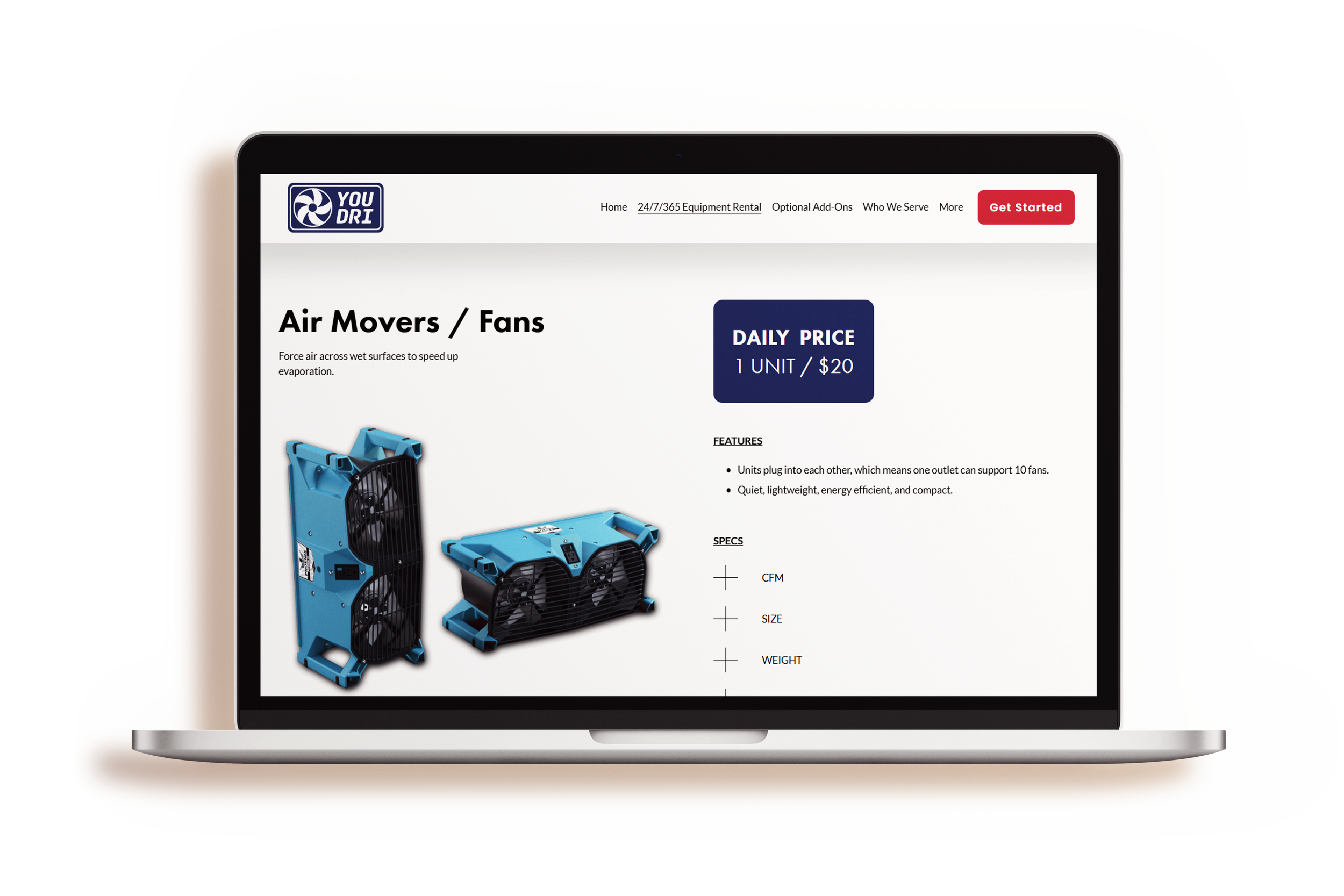
Simple Daily Pricing & Free delivery (orders over $500)
Delivering to Denver, Boulder, Fort Collins, Colorado Springs
Customers simply call (303) 827-7608
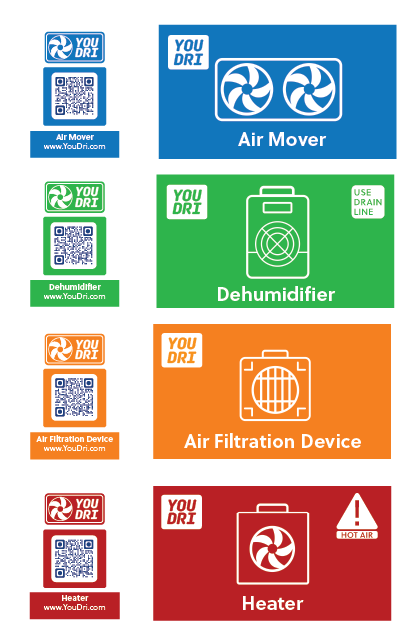
Every piece of equipment comes with a QR code.
Scan the QR with your camera to learn more that piece of equipment.
Our QR Codes instantly sends users to videos and helpful information.
Training Video
How To Use a Cube Heater for Water Damage
Watch the video to learn more about Cube Heaters and how to operate them.
Cube Heater
Quick Fact Sheet
Powerful Heat
The cube heater quickly and effectively increases heat in a room in order to help with the evaporation of water from building materials.
Clearance
Do not block any side of the device. It requires ventilation in order to be as efficient as possible.
Safety
These devices will drastically raise the temperature of a room, and occupants shouldn’t be present during its core operation.
Activity
Run the machine continuously for best results. Shutting the device(s) off for temporary periods will increase drying times.
Frequently Asked Questions
-
Yes, supplemental heat can increase the rate of evaporation. However, it should always be used in conjunction with air movers (fans) and ideally dehumidifiers for effective and controlled drying. Heat alone can increase humidity in the air if the moisture isn't being removed by ventilation or dehumidification, potentially exacerbating the problem or creating conditions favorable for mold growth.
-
Warmer air can hold more moisture than cooler air. By increasing the temperature of the affected area, you encourage the water trapped in materials to evaporate into the air more quickly.
-
Position heaters strategically to direct warm air towards wet surfaces. Ensure they are a safe distance from flammable materials and are used in conjunction with air movers to circulate the warm, moist air and bring in drier air.
-
Avoid excessively high temperatures, as this can damage some materials. A moderate increase in temperature, when combined with good airflow, is usually sufficient. Aim for a comfortable but slightly warmer temperature in the affected area.
-
No. While heat promotes evaporation, it doesn't remove the moisture from the air. Without a dehumidifier, the humidity levels will rise, potentially leading to secondary damage and hindering the drying process. Dehumidifiers actively remove moisture from the air.
-
The number of heaters depends on the size of the affected area. For larger spaces, multiple heaters strategically placed with good airflow can be beneficial. However, focus on a balanced approach using fans and dehumidifiers as the primary drying tools.
The YouDri system is clearly labeled and color coded.